Case 2: Dairy Herd Rumination Telemetry & Early Health Diagnostics
How 3D biometric accelerometer collars detected subclinical metabolic drops 48 hours prior to visual signs in a 120-head commercial Holstein herd.
Agronomic & Operational Challenge
Sierra Crest Family Dairy in Tulare County experienced an unexplained 15% reduction in peak lactation volume across its 120-cow milking herd during the high-heat July transition period.

Visual herd evaluations failed to isolate the cause because cows exhibited normal appetite during manual feedlot walk-throughs, masking subclinical ketosis.
Technical Intervention & Methodology
Ashford Valley animal science researchers deployed 3D biometric accelerometer neck collars linked wirelessly to the parlor's DeLaval automated milking system.
The collars continuously sampled rumination chewing minutes per day, cud-chewing cadence, and neck activity, paired with automated quarter-milk electrical conductivity readings.
Quantified Commercial Outcome
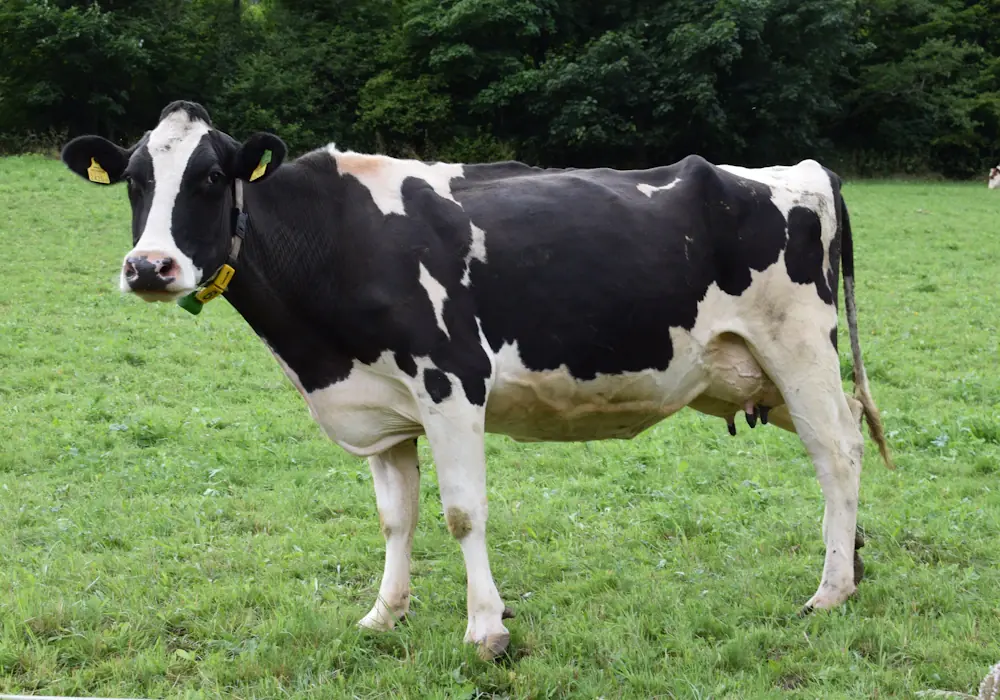
Rumination time telemetry flagged 18 cows whose daily chewing had dropped below 410 minutes (a 24% decline) two full days before any visual clinical signs of ketosis appeared.
Immediate nutritional ration intervention—adjusting dietary propylene glycol and anion salts in the TMR formulation—restored rumination to 530 minutes and normalized herd production to 78.4 lbs/cow.
Download Authoritative Field Dataset
Dataset contains 120-cow identification numbers, daily rumination minutes, milk conductivity, somatic cell counts, and lactation yield over 90 days.